Best Seasons for Tpo Roof Replacements
Tpo roof replacements are most effective when performed during specific seasons that favor installation conditions. Optimal times include spring and early fall, when temperatures are moderate and weather patterns are stable. Avoiding extreme cold or heat ensures proper adhesion and sealing of the roofing membrane.
Spring offers mild temperatures and lower humidity, ideal for Tpo membrane installation and curing. This minimizes the risk of thermal expansion issues.
Early fall provides cool, stable weather, reducing the likelihood of weather-related delays and allowing for thorough installation before winter.
Installing during extreme cold or heat can compromise adhesion and material performance, leading to potential issues and increased costs.
Rain, snow, and high winds can hinder installation quality. Clear, dry days are preferred for optimal results.
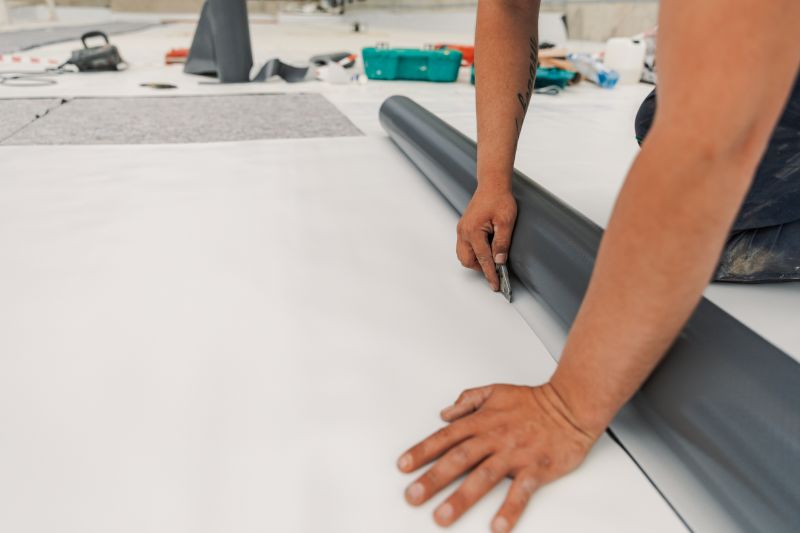
Ways to make Tpo Roof Replacements work in tight or awkward layouts.
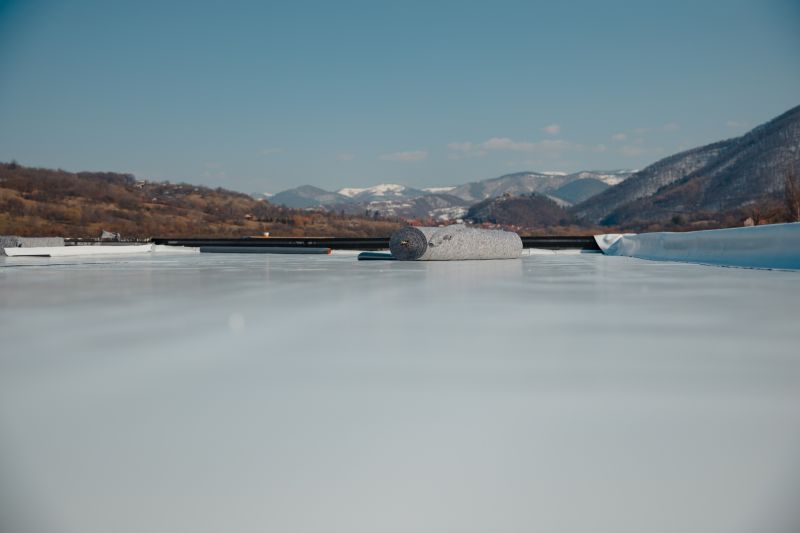
Popular materials for Tpo Roof Replacements and why they hold up over time.
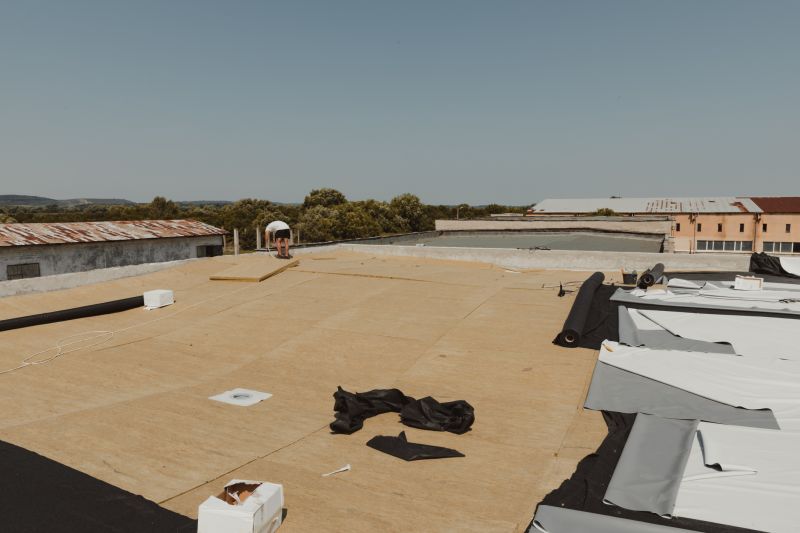
Simple add-ons that improve Tpo Roof Replacements without blowing the budget.
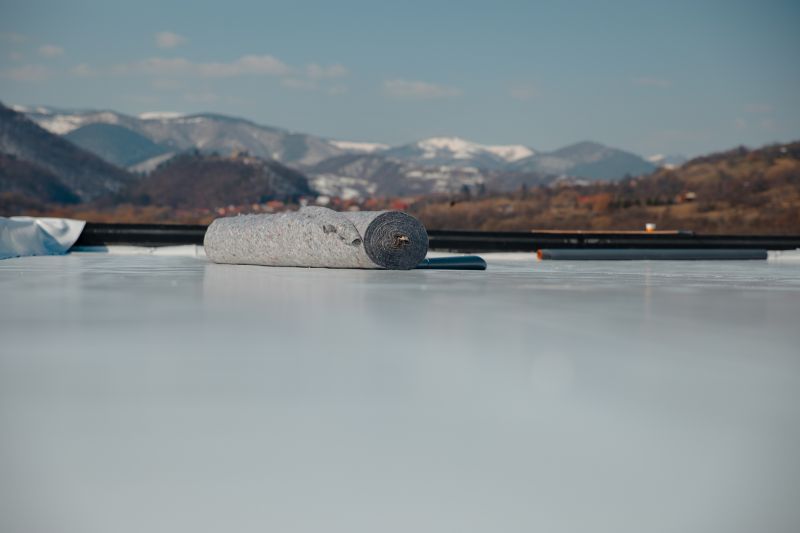
High-end options that actually feel worth it for Tpo Roof Replacements.
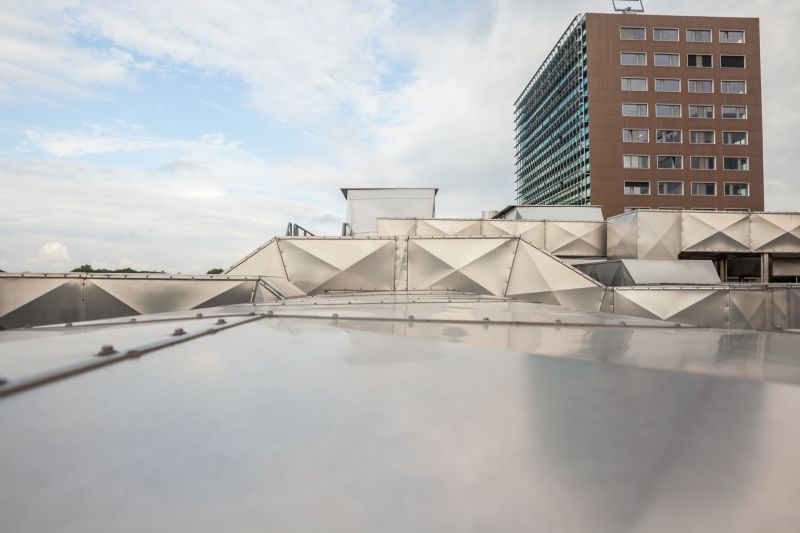
Finishes and colors that play nicely with Tpo Roof Replacements.

Little measurements that prevent headaches on Tpo Roof Replacements day.
Tpo roofing is a popular choice for commercial and industrial buildings due to its durability, energy efficiency, and cost-effectiveness. It is a thermoplastic polyolefin membrane that offers high resistance to UV rays, chemical exposure, and weathering. Proper installation during the right season enhances the longevity and performance of Tpo roofs, ensuring they withstand the elements over time.
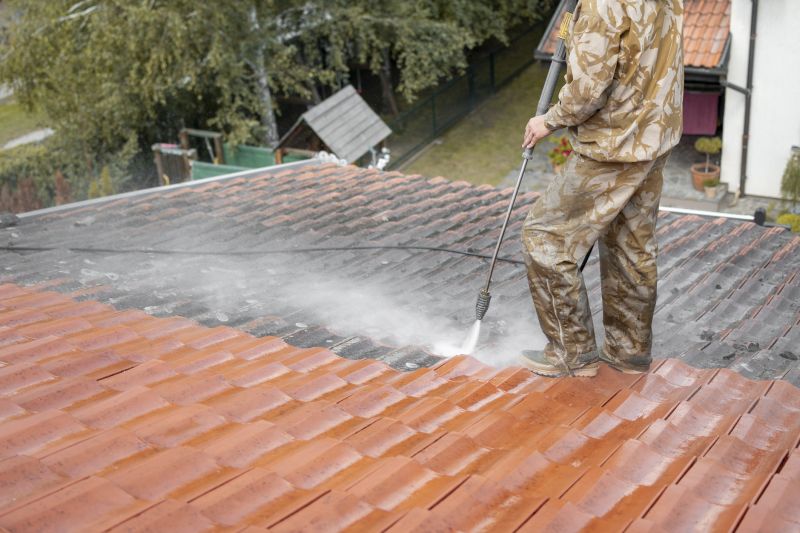
A 60-second routine that keeps Tpo Roof Replacements looking new.
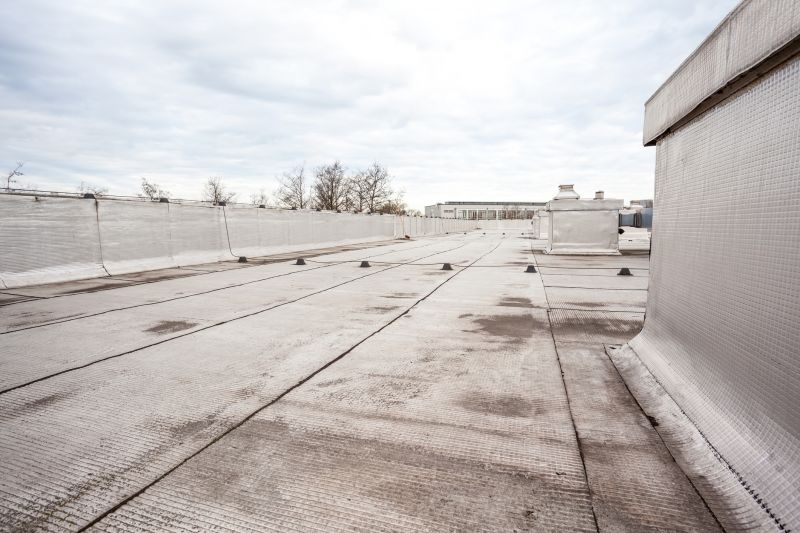
A frequent mistake in Tpo Roof Replacements and how to dodge it.
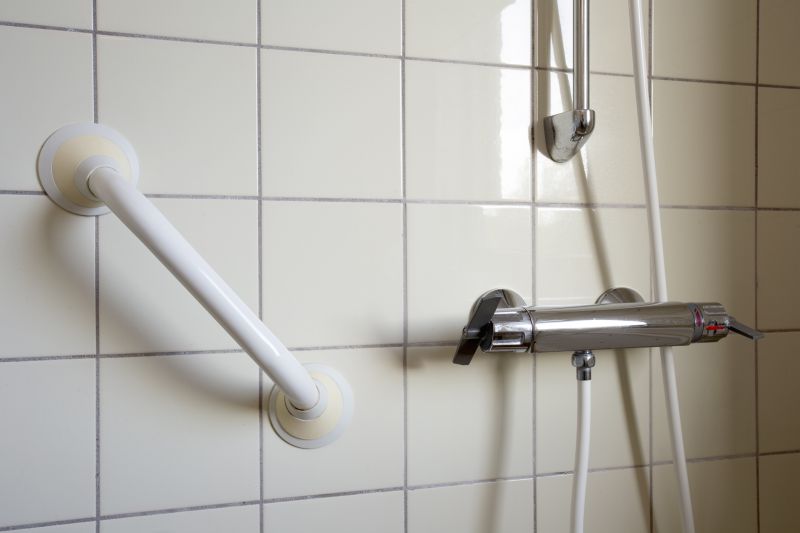
Small tweaks to make Tpo Roof Replacements safer and easier to use.

Lower-waste or water-saving choices for Tpo Roof Replacements.
| Season | Recommended for Tpo Roof Replacements |
|---|---|
| Spring | Yes, due to mild weather and optimal conditions. |
| Summer | Less ideal due to high temperatures and potential heat stress. |
| Fall | Ideal, with cool and stable weather conditions. |
| Winter | Not recommended because cold temperatures can impair adhesion. |
| Late Winter | Good for inspections; plan for spring installation. |
| Early Fall | Suitable for replacement projects before winter. |
Choosing the right season for Tpo roof replacement ensures better installation quality and longer-lasting results. Proper planning and timing can prevent common issues related to weather conditions, such as poor adhesion or material stress. Interested parties are encouraged to contact for more information or to schedule an inspection and consultation.