How Flat Roof Replacement Improves Drainage and Waterproofing
Replacing a flat roof helps improve drainage and waterproofing by ensuring proper slope and sealing, with local contractors ready to handle the job efficiently.
If you own a property with a flat roof, understanding how flat roof replacement improves drainage and waterproofing can be essential for maintaining its integrity. Flat roofs are particularly susceptible to drainage issues because their design can cause water to pool if not properly managed. When a flat roof is replaced, it provides an opportunity to upgrade the drainage systems and waterproofing layers, helping to prevent leaks and water damage over time. Local contractors who specialize in flat roof replacement are well-equipped to assess your roof’s current condition and recommend practical solutions that enhance water runoff and protect your building’s structure.
Exploring this topic is especially relevant for property owners in the area who have experienced or want to avoid common problems like standing water or moisture infiltration. Proper drainage and waterproofing are key to extending the lifespan of a flat roof and avoiding costly repairs down the line. By working with experienced local service providers, property owners can ensure their flat roof replacement addresses these critical issues effectively. Keep reading to discover how the right upgrades can make a significant difference in your roof’s performance and long-term durability.
- Flat Roof Replacement - Homeowners noticing ponding water or leaks may need this service to enhance drainage and waterproofing, with local contractors assessing and installing proper slopes and membranes.
- Flat Roof Replacement - Buildings experiencing persistent moisture issues or surface deterioration can benefit from new roofing systems that improve water runoff and prevent water ingress, handled by experienced service providers.
- Flat Roof Replacement - When existing roofing materials are aging or damaged, local pros can replace the roof to ensure better drainage and waterproofing, reducing the risk of future leaks.
- Flat Roof Replacement - Commercial properties with flat roofs facing pooling problems often require replacement to restore proper drainage and waterproofing, with local contractors customizing solutions to fit the structure.
- Flat Roof Replacement - Structures with inadequate existing slopes or compromised drainage systems can be upgraded through replacement, helping to improve water flow and protect the interior from water damage.
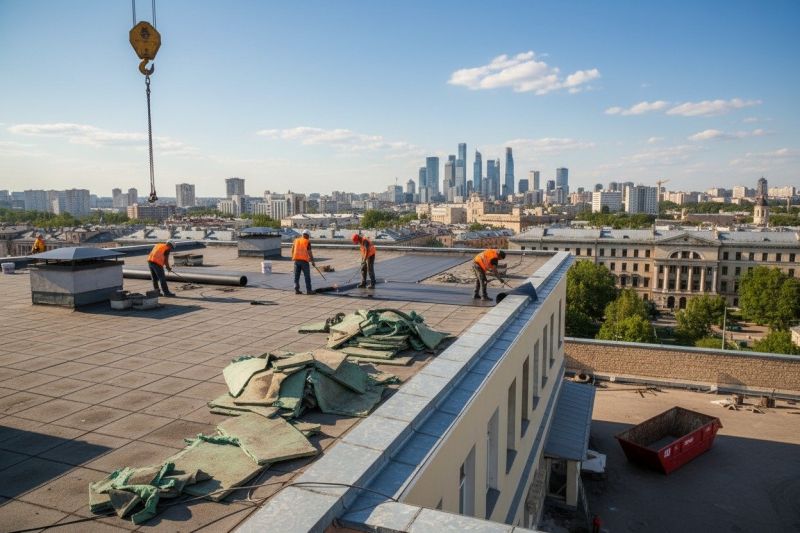
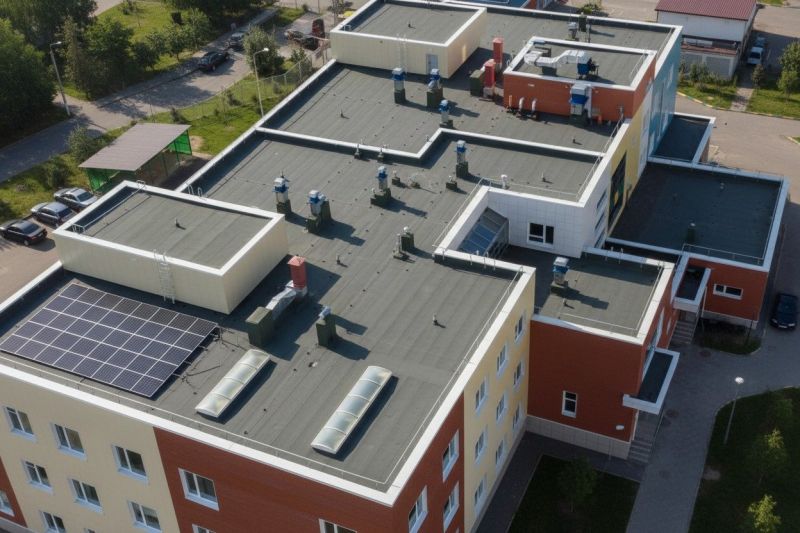
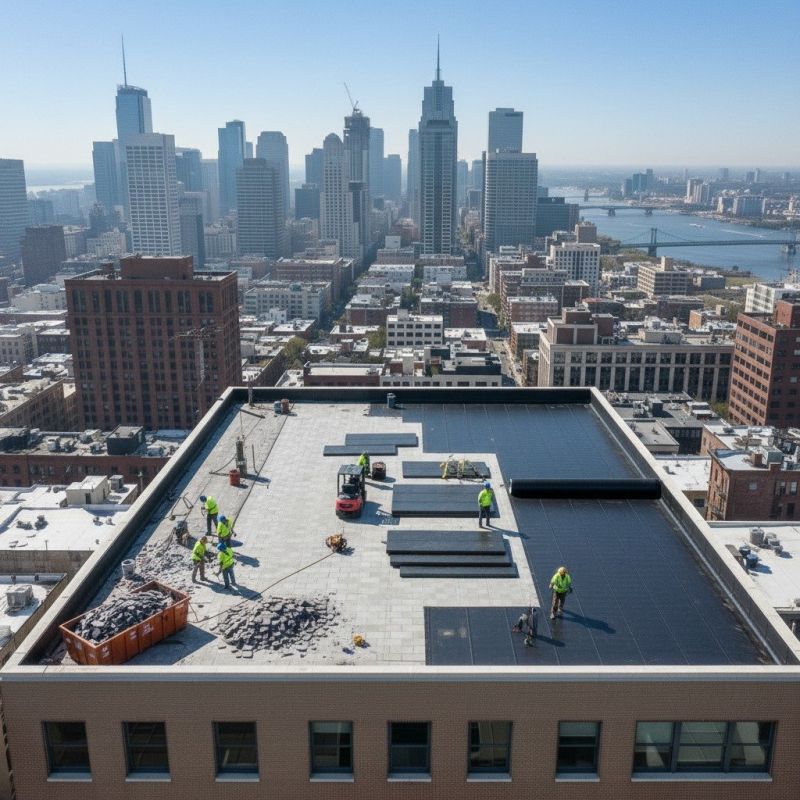
When people search for how flat roof replacement improves drainage and waterproofing, they are often looking to understand how a new roof can prevent water from pooling and seeping into the building. Flat roofs are common in commercial properties, apartment complexes, and some residential buildings, especially those with modern or minimalist designs. Homeowners and property managers may be concerned about leaks, standing water, and structural damage caused by inadequate drainage. The goal of replacing a flat roof in this context is to upgrade the roof system to better manage water flow and create a more effective barrier against moisture intrusion.
Flat roofs are particularly susceptible to drainage issues because their low slope makes it easier for water to collect rather than run off. Over time, existing roofing materials can deteriorate, creating cracks, blisters, or areas of ponding water that compromise waterproofing. When considering a flat roof replacement, property owners often want to address these problems by installing a new roofing system designed to improve water runoff and prevent leaks. This process involves selecting materials and designs that facilitate proper drainage, such as adding slight slopes or installing effective drainage systems like internal drains or scuppers, which are best handled by experienced local contractors.
The types of properties that typically undergo flat roof replacement include commercial buildings, warehouses, retail stores, multi-family apartment complexes, and some residential structures with flat or low-slope roofs. These properties often have larger roof surfaces where drainage problems can be more pronounced and costly if not addressed promptly. Homeowners with flat or low-slope roofs may also seek replacement to enhance waterproofing and avoid future water damage. Local service providers specializing in flat roof replacement can evaluate the specific needs of each property, recommending solutions that improve water management and extend the roof’s lifespan.
In practical terms, a flat roof replacement that improves drainage and waterproofing can significantly reduce the risk of leaks, mold growth, and structural deterioration. Properly installed roofing systems with effective drainage features help water flow away quickly, preventing ponding and the buildup of debris that can clog drainage outlets. These upgrades not only protect the building’s interior but also help maintain its overall integrity over time. Connecting with local contractors experienced in flat roof replacement ensures that the project is tailored to the property’s unique layout and needs, resulting in a more reliable, watertight roof that effectively manages water runoff and prevents moisture intrusion.
Commercial roofing projects - these involve replacing flat roofs on business buildings, requiring expertise in drainage systems and waterproofing techniques similar to residential flat roof replacements.
Roof waterproofing applications - specialists applying waterproof coatings or membranes work to prevent water infiltration, aligning with the goals of improving drainage and waterproofing through flat roof replacement.
Roof insulation upgrades - upgrading or installing insulation on flat roofs often involves similar planning and materials that enhance water runoff and protect against leaks.
Green roof installations - integrating vegetation on flat roofs requires careful drainage planning and waterproofing, making it relevant to flat roof replacement projects focused on drainage improvements.
Roof membrane repairs - repairing or replacing damaged membranes on flat roofs directly relates to improving waterproofing and drainage performance.
Stormwater management systems - designing and installing systems to direct rainwater away from structures involves expertise in drainage planning akin to flat roof replacement services.
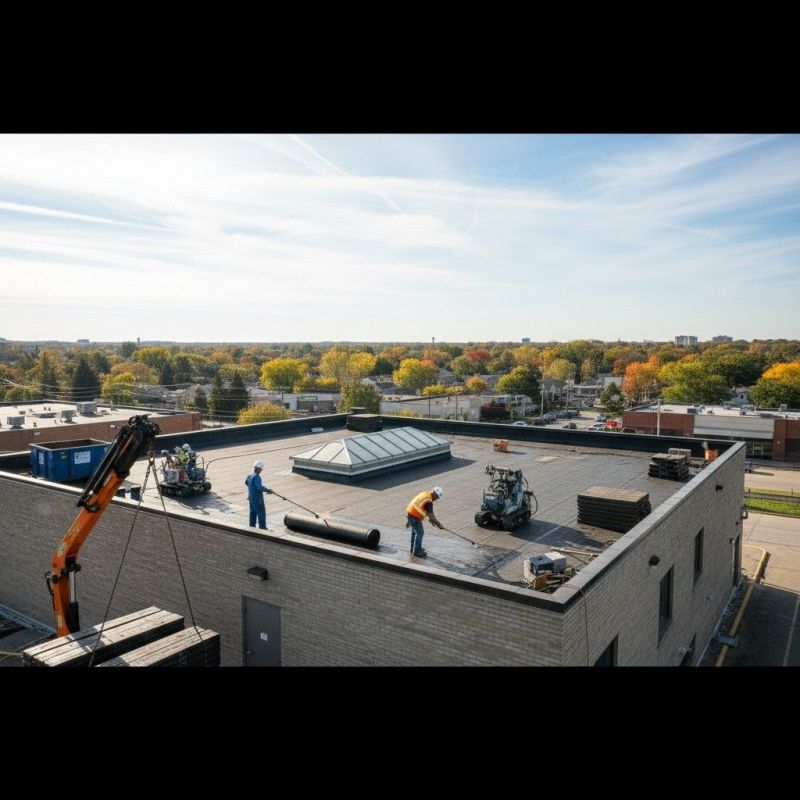
When evaluating local contractors for a flat roof replacement that aims to improve drainage and waterproofing, it is important to consider their experience with similar projects. Homeowners should inquire about the types of flat roofs the service providers have worked on and whether they are familiar with the specific challenges that come with ensuring proper water runoff and waterproof barriers. Contractors with a history of successfully completing projects similar in scope and design are more likely to understand the nuances of effective drainage systems and waterproofing techniques, which can contribute to a more durable and reliable roof replacement.
Clear, written expectations are essential when comparing service providers. Homeowners should seek detailed proposals that outline the scope of work, materials to be used, and specific methods for addressing drainage and waterproofing. Having this information in writing helps ensure that all parties share a common understanding of the project goals and deliverables. It also provides a basis for evaluating whether the contractor’s approach aligns with the homeowner’s needs for improved water management and long-term protection against leaks.
Reputable references and good communication are key indicators of a dependable local contractor. Homeowners can ask for references from previous clients who had flat roof replacements focused on drainage and waterproofing improvements. Speaking with past customers can provide insights into the contractor’s ability to deliver quality work and handle project details effectively. Additionally, service providers who communicate clearly and promptly-whether through consultations, proposals, or follow-up-are more likely to maintain transparency and address questions or concerns throughout the project. These qualities contribute to a smoother process and a final result that meets expectations for drainage and waterproofing performance.
Property owners often search for how flat roof replacement improves drainage and waterproofing when they are planning practical projects around their homes and businesses. Local pros provide Flat Roof Replacement services for everyday jobs and straightforward project options.
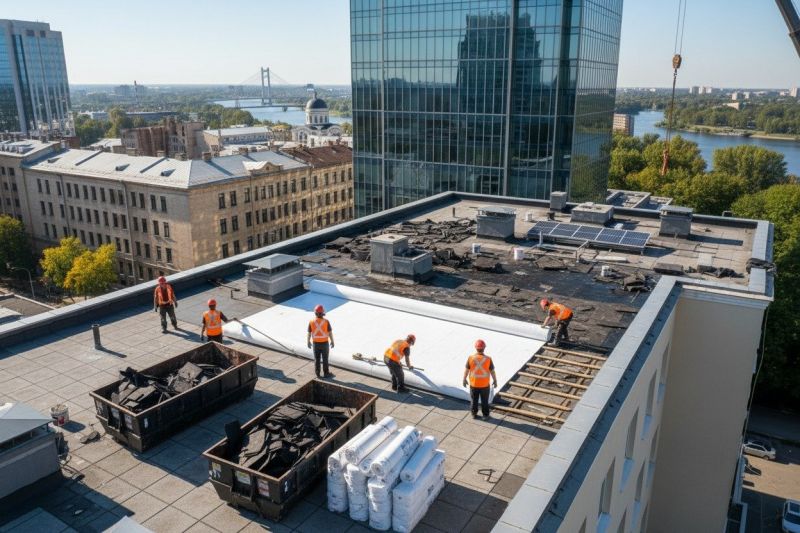
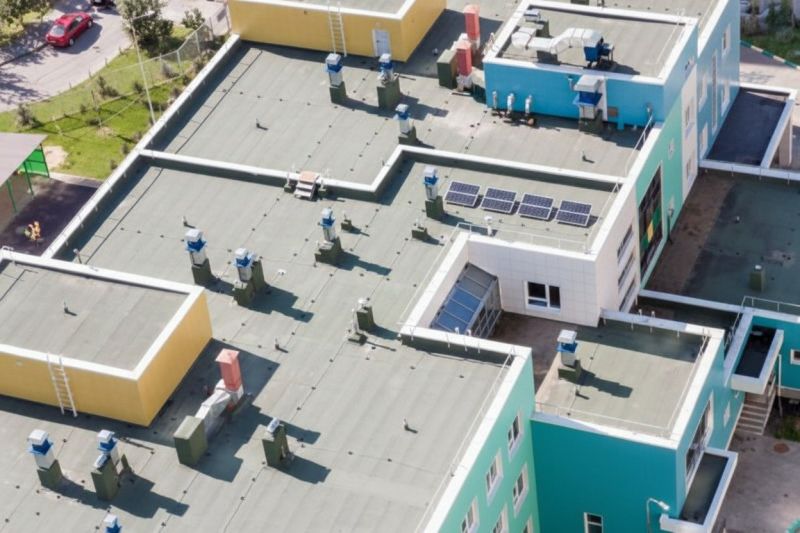
Flat roof replacement can significantly enhance the way a property handles water runoff, making drainage more efficient and reducing the risk of water pooling. When a flat roof becomes aged or damaged, it may develop areas where water tends to collect instead of flowing properly toward drainage points. Local contractors can install a new flat roof with improved slope and drainage features, ensuring that rainwater moves away quickly and effectively, which helps prevent leaks and water damage inside the building.
Additionally, a new flat roof can improve waterproofing by replacing worn or compromised materials with newer, more durable options. Properly installed flat roof systems create a reliable barrier against water infiltration, even during heavy rain. Property owners in the area considering flat roof replacement often seek out local service providers to ensure the job is done right, helping to protect their investment and maintain the building’s structural integrity over time.
How does flat roof replacement improve drainage? Replacing a flat roof allows contractors to install a properly pitched surface or updated drainage systems, reducing the risk of water pooling and ensuring effective runoff during rainstorms.
In what ways does flat roof replacement enhance waterproofing? A new flat roof can incorporate modern waterproofing materials and techniques, creating a seamless barrier that prevents leaks and protects the building’s interior from water intrusion.
Can flat roof replacement prevent water pooling issues? Yes, professional replacement involves adjusting the roof’s slope and drainage components to eliminate low spots where water can collect, improving overall drainage performance.
How does a new flat roof contribute to better water management? A replacement allows for the installation of advanced drainage systems, such as improved gutters and drains, which help direct water away from the roof efficiently.
Why should property owners consider flat roof replacement for waterproofing? It provides an opportunity to upgrade to durable, modern waterproofing solutions that extend the roof’s lifespan and reduce the likelihood of leaks and water damage.
Improved drainage systems can be achieved by replacing an aging flat roof with a design that promotes water flow, helping to prevent pooling and leaks.
Enhanced waterproofing layers provided by local contractors can seal the roof surface more effectively, reducing the risk of water infiltration during heavy rain.
Proper slope adjustments during a flat roof replacement can direct water toward drains more efficiently, minimizing standing water issues.
Updated roofing materials can offer better resistance to water penetration, extending the lifespan of the roof and protecting the underlying structure.
If you are thinking about how flat roof replacement improves drainage and waterproofing for a property, this guide is meant to help you understand this topic, the typical project types, and how different options might fit your plans.
When you are ready, you can use the quote form on this page to share a few details about your project. From there, local pros can review the basics and follow up with options that match what you have in mind.